01 / CLIENT CHALLENGE
OARC CLIENT PROJECT / CREATIVE OPERATIONS
An original creative-operations study about turning subjective campaign feedback into a more useful next decision.
THE WORK, IN CONTEXT
WHAT THIS IS
THE CLIENT STORY / OARC DELIVERY
01 / CLIENT CHALLENGE
02 / WHAT OARC DELIVERED
03 / WHAT THE WORK ACCOMPLISHED
RELATED OARC DELIVERY
HEARTH TEST KITCHEN is an OARC client project of creative operations. It explores how a team can protect taste and creative conviction while making each campaign version answer a real learning question, so feedback produces a more useful next decision instead of disappearing after a meeting.
How can subjective creative feedback become a productive record for the next version without reducing the work to a formula?
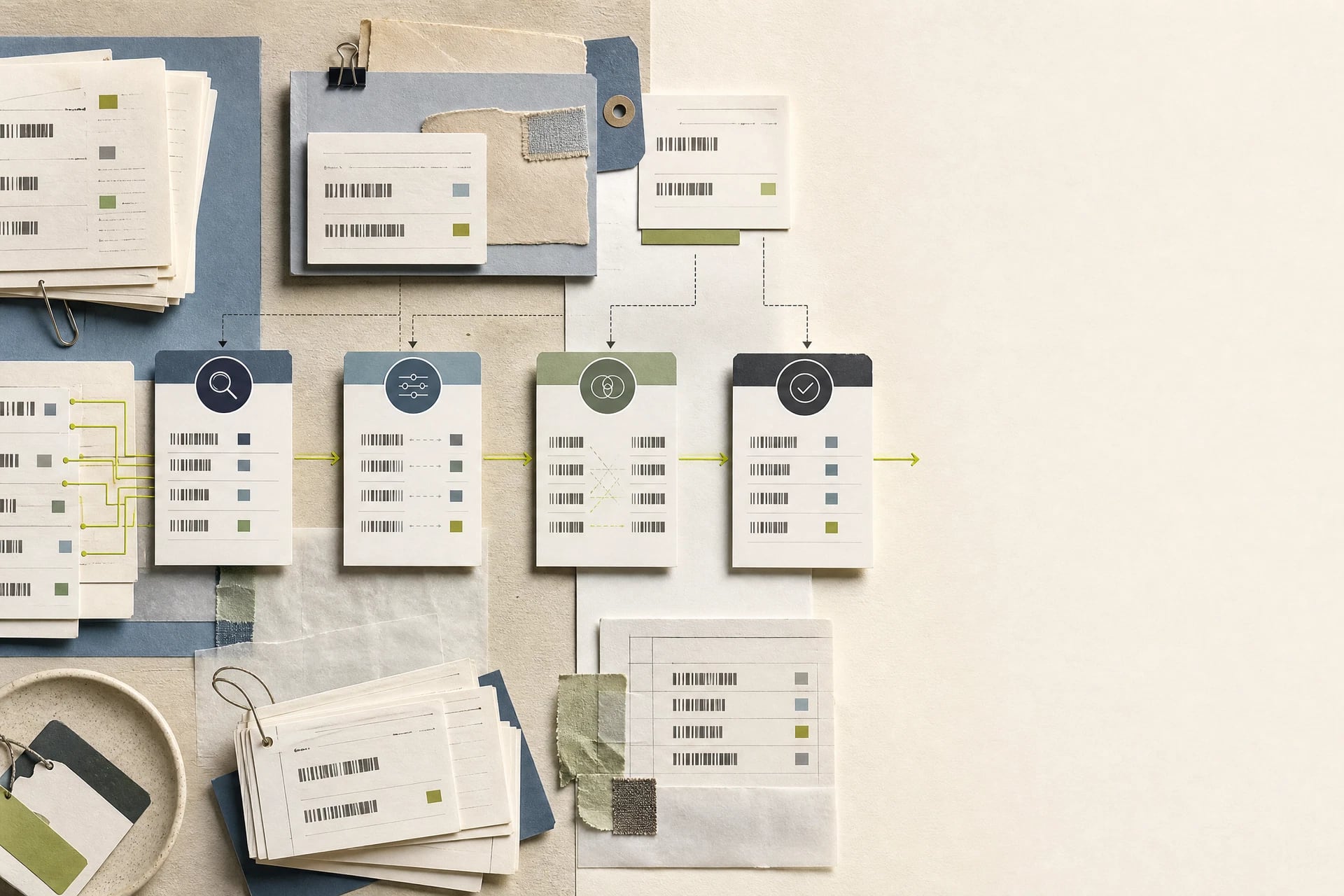
The model gives each version a written hypothesis, visible variables, a context for reading response, room for qualitative observation, and a next-batch decision. Craft notes are retained as evidence of judgment, not discarded in favour of a shallow score.
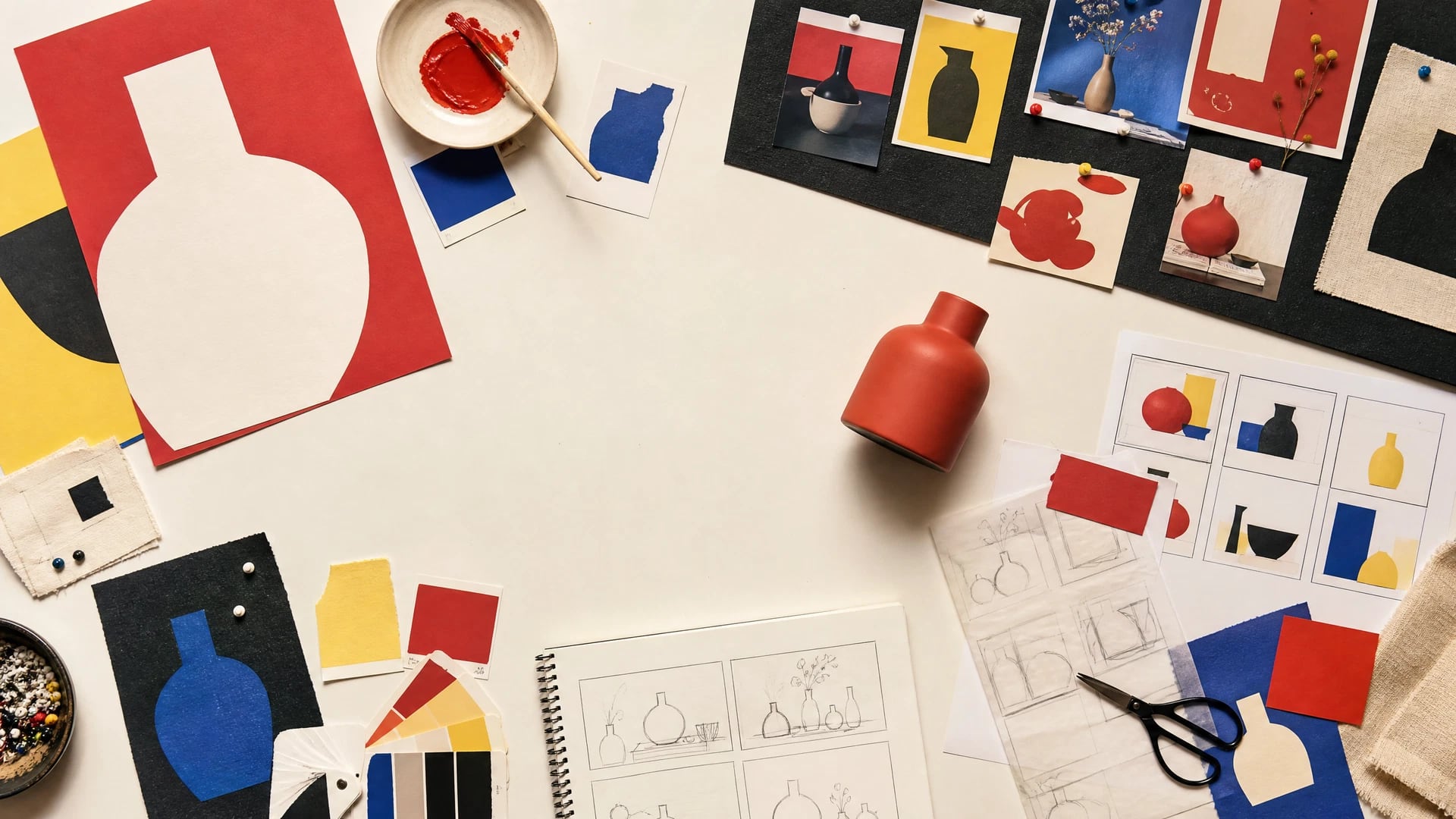
The recipes, storyboards, variant walls, and decision sheets are OARC making artefacts. They do not represent a paid campaign, live audience response, client feedback data, conversion rate, cost, or media-performance result.
This study is for in-house teams and brands producing campaigns, paid creative, content series, or product stories who need the work to learn across rounds. Bring one campaign decision, the variants, and the point where feedback becomes vague; OARC can design a better creative learning loop.
READ THIS BY THE REAL PROBLEM
THE MAKING SEQUENCE
A team states what the creative needs to learn.
Feedback has a useful frame.A visual direction is produced with deliberate variables.
The version has an intelligible purpose.The response is gathered as structured observation.
The feedback is more than a vote.The next batch builds on the prior question.
Creative judgment compounds.THE CLIENT JOURNEY
Hearth starts in a familiar creative-review room: several smart people know what they feel, but the work has not been connected to a clear question about what it is meant to change.
The original test-kitchen system frames an asset as a hypothesis, a variable, a context, and a response to examine. It preserves creative conviction while making the next iteration more explicit.
Qualitative feedback, craft notes, and response patterns become a record for the next version. Hearth makes no conversion, cost, or campaign-performance claim.
Hearth uses an illustrative studio table and test process. It does not show a real campaign, customer feedback dataset, or measured creative outcome.
CLIENT PROJECT / DELIVERED ARTEFACTTHE DELIVERY, IN MOTION
The hypothesis is written before the review becomes subjective.
Feedback has a useful frame.Tone, format, context, and message are treated as creative choices.
The version has an intelligible purpose.The model makes room for qualitative evidence and dissent.
The feedback is more than a vote.A record carries learning forward without reducing craft to a formula.
Creative judgment compounds.Client delivery logic shown through the working sequence and supporting artefacts; private data and measured outcomes are not displayed on this page.
CLIENT CONCEPT PROJECT
Client project / campaign and prototype delivered by OARC
OARC delivered this concept, visual world, and working prototype against a focused client brief to make a sharper system or experience tangible.
Client brief, OARC thinking, and a delivered prototype.THE CLIENT PROJECT
It is an original OARC study of how creative teams can make subjective feedback more useful by connecting each version to a clear learning question.
No. The point is to preserve craft and taste while giving the next decision a stronger record.
No. Hearth contains no client campaign or performance claim.
Hearth Test Kitchen is an OARC client project of a hypothesis-led creative process.
CLIENT PROJECT / OARC DELIVERY AND PROTOTYPE